 ENG
ENG
 ENG
ENG
 JPN
JPN
 CHI
CHI

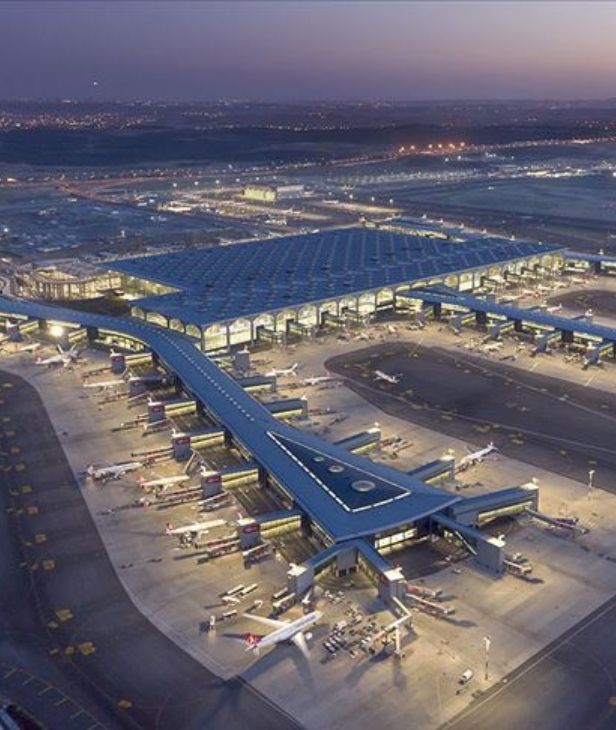
Istanbul Airport (Istanbul Europe)
Overview of Istanbul Airport
One of the World’s Largest Aviation Hubs
Istanbul Airport is one of the largest and most modern airports in the world. Located on the European side of Istanbul, the airport serves as Turkey’s main international gateway and a critical global aviation hub connecting Europe, Asia, Africa, and the Middle East.
Opened to fully replace the former Atatürk Airport for commercial flights, Istanbul Airport was designed to handle a high volume of passengers while offering advanced infrastructure, modern architecture, and efficient passenger flow.
Strategic Location and Global Connectivity
Istanbul Airport’s geographical position makes it uniquely important for global travel. Situated at the crossroads of continents, it provides direct connections to hundreds of destinations worldwide.
The airport plays a key role in international transit travel, allowing passengers to reach major cities across the globe with shorter flight times and efficient connections.
Terminal Design and Passenger Facilities
Modern Architecture and Spacious Layout
The terminal of Istanbul Airport is designed with a focus on openness, natural light, and intuitive navigation. Wide corridors, high ceilings, and clear signage make movement within the airport easier, even during peak travel hours.
The architectural design combines modern aesthetics with subtle cultural elements inspired by Istanbul’s historical identity.
Shopping, Dining, and Services
Istanbul Airport offers a wide range of shopping and dining options. Passengers can find international brands, duty-free stores, local products, and Turkish cuisine throughout the terminal.
Additional services include lounges, rest areas, prayer rooms, currency exchange offices, luggage storage, and business facilities, ensuring comfort for both short and long layovers.
Transportation and Accessibility
Easy Access to the City
Istanbul Airport is connected to the city through multiple transportation options. Public transport, including metro lines and airport buses, provides access to central districts and key locations across Istanbul.
Road connections allow private vehicles, taxis, and transfer services to reach the airport efficiently via major highways.
Parking and Vehicle Facilities
The airport features extensive parking areas designed to accommodate short-term and long-term parking needs. Clear signage and organized zones help passengers and visitors navigate parking facilities with ease.
These features support smooth arrivals and departures for both travelers and those accompanying them.
Technology and Operational Efficiency
Advanced Airport Systems
Istanbul Airport is equipped with advanced technology to enhance passenger experience and operational efficiency. Automated passport control, modern security systems, and digital information screens contribute to smoother travel processes.
Baggage handling systems are designed to manage high volumes efficiently, reducing wait times and improving reliability.
Sustainability and Future Expansion
Sustainability is an important aspect of Istanbul Airport’s design. Energy-efficient systems, environmentally conscious construction methods, and smart infrastructure contribute to long-term operational sustainability.
The airport is also planned for future expansion, allowing it to increase capacity as global travel demand grows.
Passenger Experience and Comfort
Designed for International Travelers
Istanbul Airport is built to meet international standards and expectations. Multilingual signage, helpful staff, and clear information points assist travelers from different countries.
Facilities are designed to accommodate families, business travelers, and passengers with special needs, ensuring an inclusive travel environment.
Transit and Long Layovers
For transit passengers, Istanbul Airport offers comfortable waiting areas, lounges, and relaxation zones. The airport’s size and amenities allow travelers to rest, shop, or dine comfortably during long layovers.
This focus on passenger comfort enhances Istanbul’s reputation as a global transit hub.
Importance of Istanbul Airport Today
A Symbol of Modern Turkey
Istanbul Airport represents Turkey’s investment in global infrastructure and international connectivity. Its scale and modernity reflect the country’s ambition to be a leading aviation center.
The airport contributes significantly to tourism, trade, and international mobility.
Connecting Cultures and Continents
Beyond transportation, Istanbul Airport serves as a meeting point of cultures. Millions of passengers from different backgrounds pass through the airport each year, making it a symbol of global connection.
Its role extends beyond aviation, supporting economic growth and cultural exchange.
Istanbul Airport as a Global Gateway
An Essential Entry Point to Turkey
For many visitors, Istanbul Airport is the first impression of Turkey. Its modern facilities and organized layout create a positive introduction to the country.
The airport sets the tone for travel experiences across Istanbul and beyond.
A Key Hub for International Travel
As a major international hub, Istanbul Airport continues to grow in importance. Its connectivity, infrastructure, and passenger-focused design position it among the leading airports in the world.
It remains a vital gateway linking continents and enabling global travel.