ENG
ENG
 ENG
ENG
 JPN
JPN
 CHI
CHI

Hagia Sophia Museum
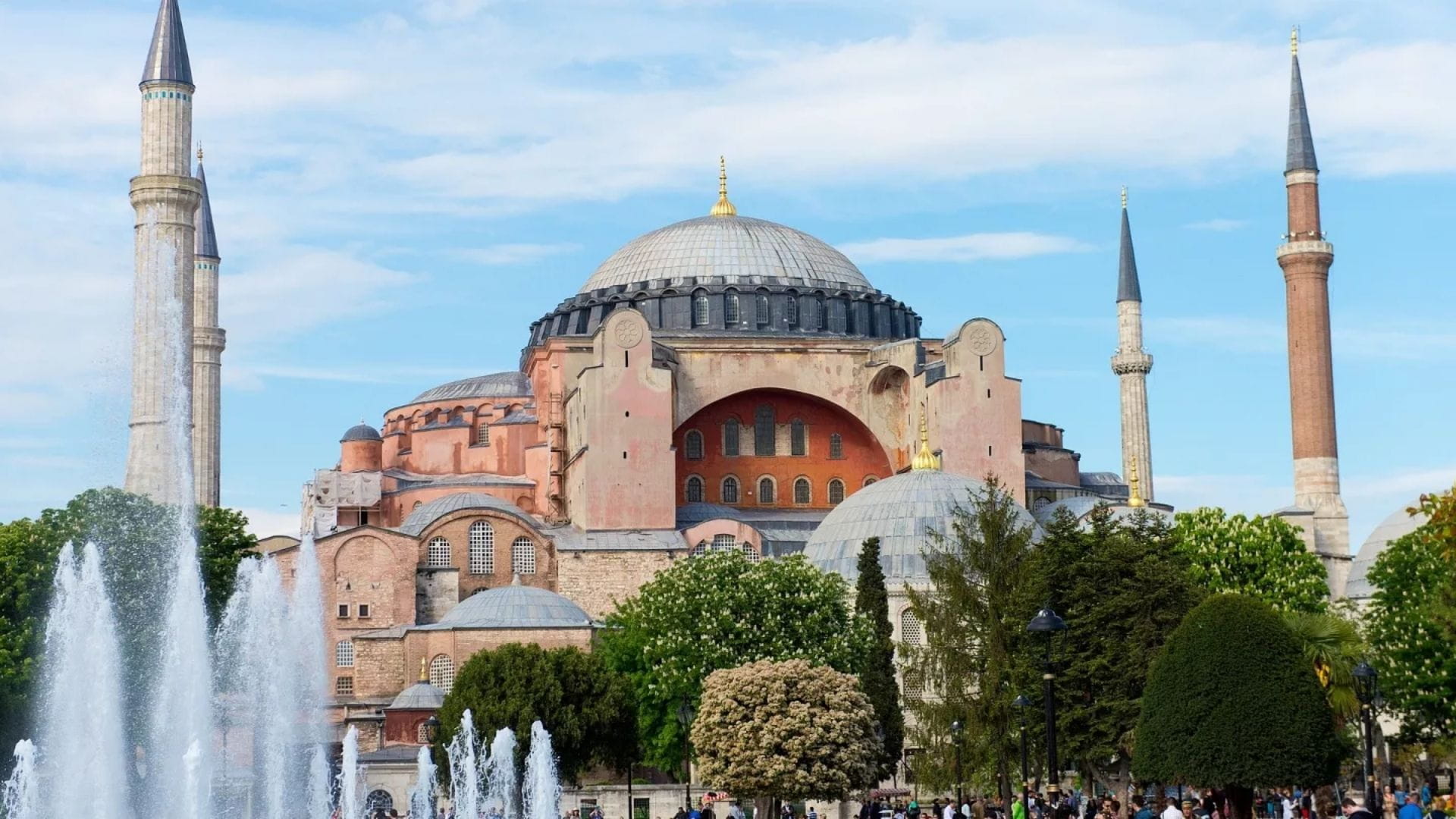
The Hagia Sophia stands as one of the most important cultural and historical landmarks in the world. Located in the historic heart of Istanbul, Hagia Sophia represents centuries of religious, political, and architectural transformation. As a museum and monumental structure, it reflects the layered identity of the city itself, bridging East and West, past and present.
Originally constructed as a cathedral, later converted into a mosque, then a museum, and again functioning as a mosque while remaining globally recognized as a cultural monument, Hagia Sophia continues to attract millions of visitors each year. Its universal value lies not only in its scale and beauty but also in its ability to tell the story of civilizations through stone, mosaics, and space.
Historical Background of Hagia Sophia
From Byzantine Cathedral to Imperial Monument
Hagia Sophia was built in the 6th century during the reign of Byzantine Emperor Justinian I. At the time of its completion, it was considered the largest cathedral in the world and a symbol of imperial power and religious authority. Its name, meaning “Holy Wisdom,” reflected its role as the spiritual center of the Eastern Roman Empire.
For nearly a thousand years, Hagia Sophia served as the main cathedral of Constantinople. Coronations, religious ceremonies, and imperial gatherings took place under its massive dome, making it the heart of Byzantine religious life.
Transformation During the Ottoman Period
Following the conquest of Constantinople in 1453, Hagia Sophia was converted into a mosque. Rather than being destroyed, the structure was preserved and adapted to Islamic worship. Minarets were added, mosaics were covered rather than removed, and new architectural elements were introduced.
This period added a new cultural layer to Hagia Sophia, transforming it into a symbol of Ottoman sovereignty while maintaining its architectural integrity.
Architectural Significance
The Dome and Structural Innovation
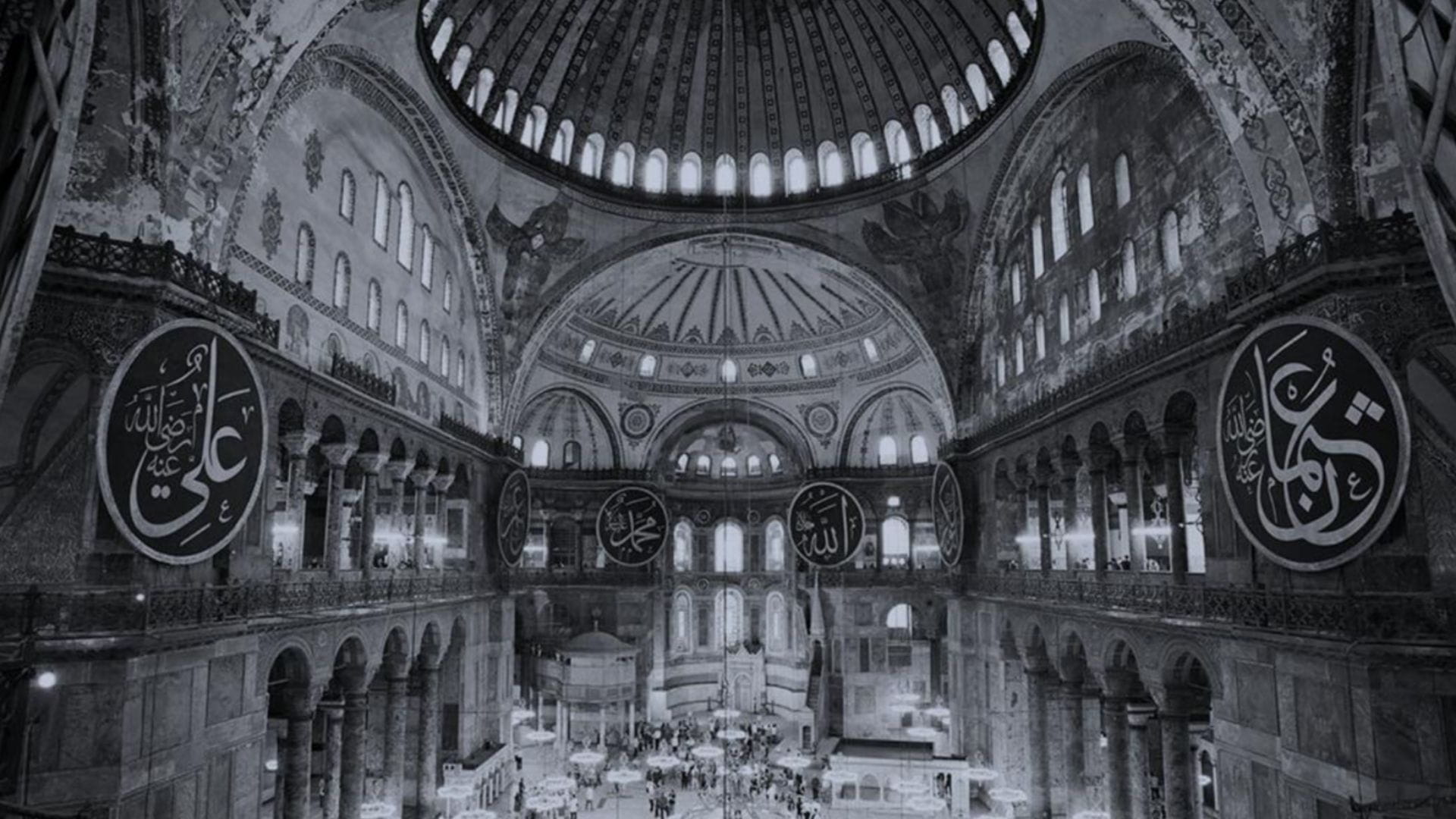
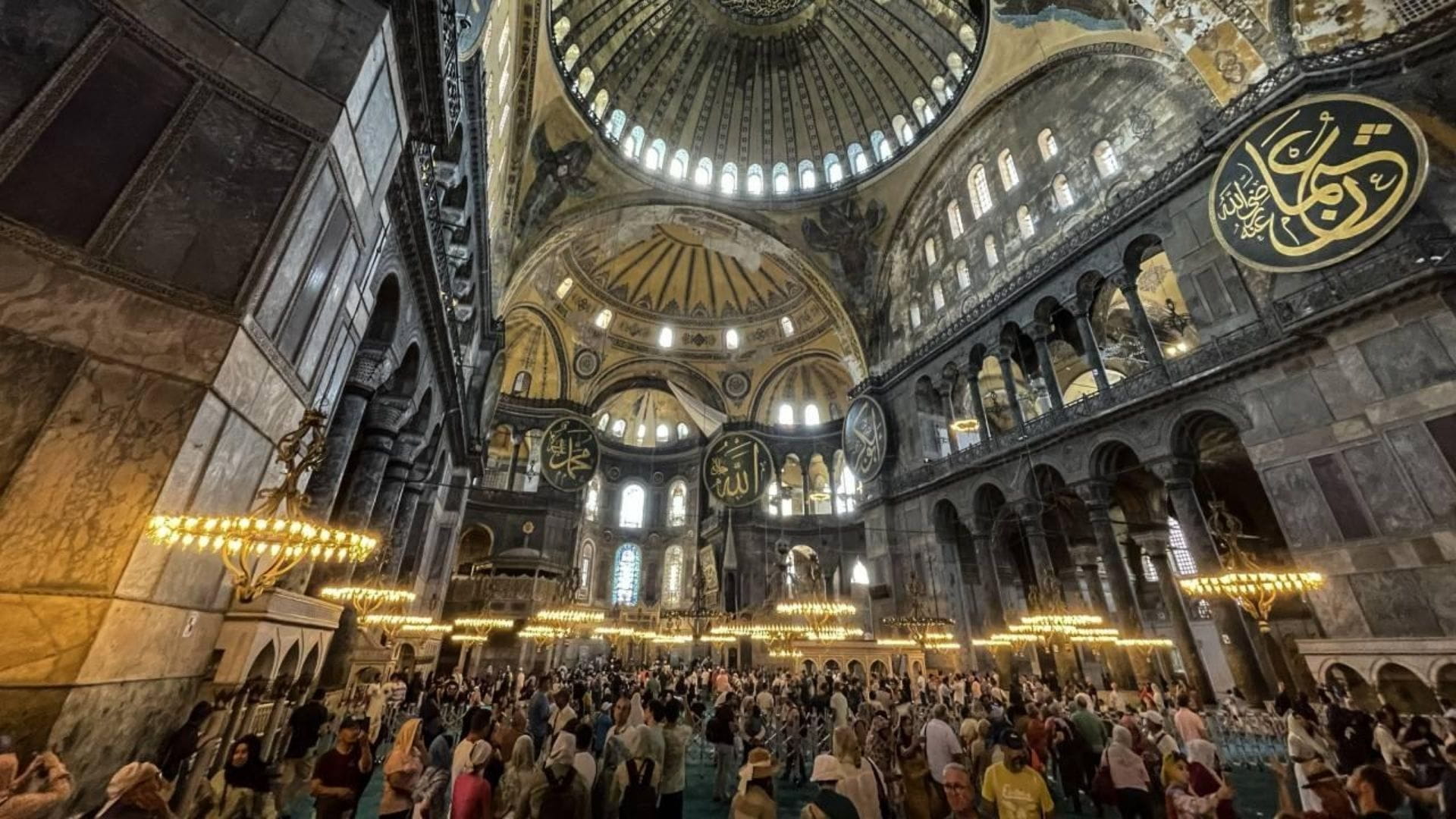
One of the most remarkable features of Hagia Sophia is its massive central dome. At the time of construction, the dome represented a revolutionary achievement in engineering and architectural design. Appearing to float above the structure, it creates a sense of vastness and light that continues to impress visitors centuries later.
The dome is supported by pendentives, an architectural solution that allowed a circular dome to rest on a square base. This innovation influenced countless religious buildings across both Christian and Islamic worlds.
Interior Design and Spatial Experience
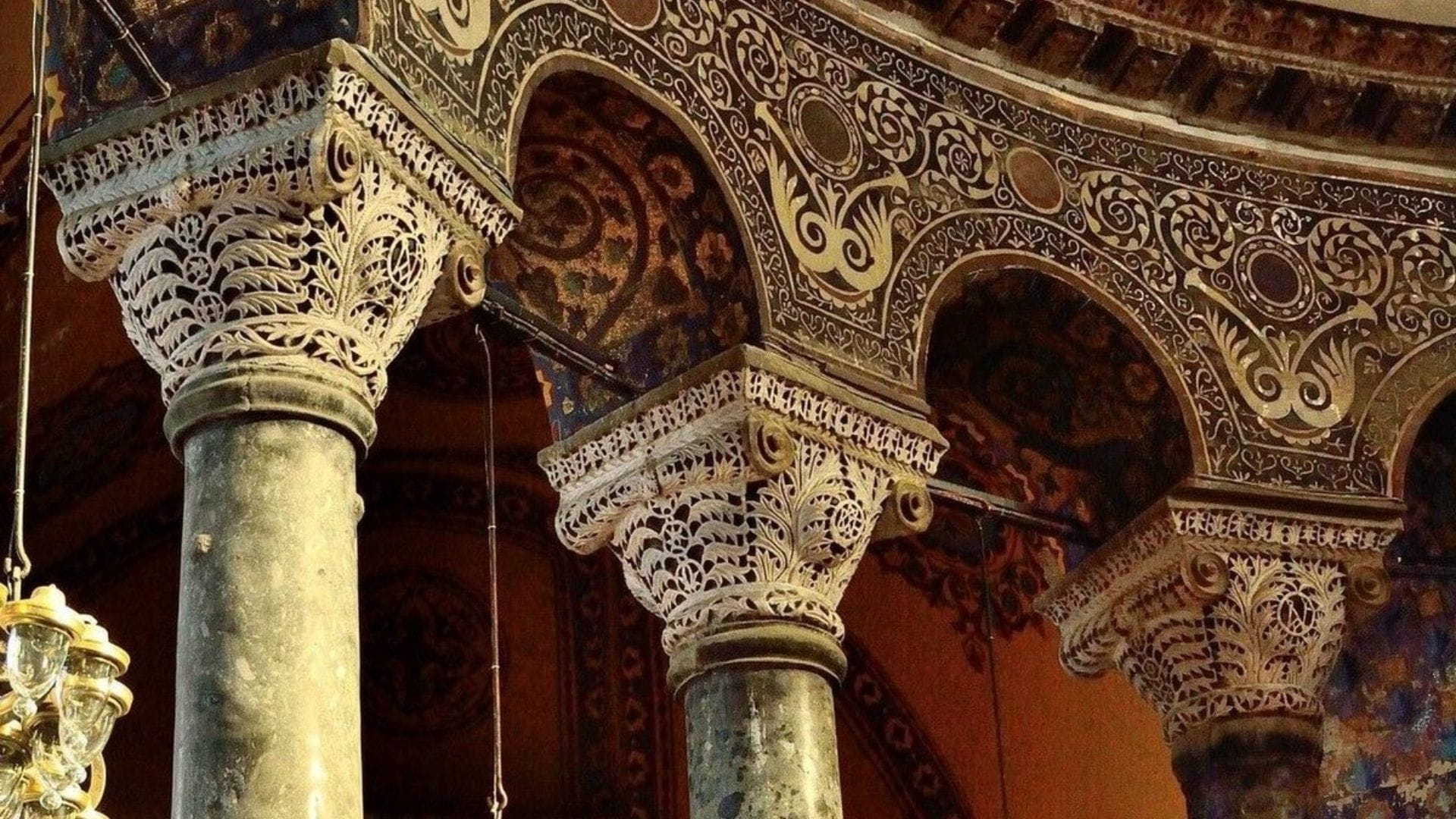
Inside Hagia Sophia, visitors encounter a vast, open interior that emphasizes vertical space and light. Marble columns, intricate floor patterns, and expansive galleries contribute to a feeling of harmony and balance.
The building’s acoustics, scale, and spatial rhythm were carefully designed to enhance spiritual experience, regardless of religious tradition.
Mosaics and Decorative Elements
Byzantine Mosaics
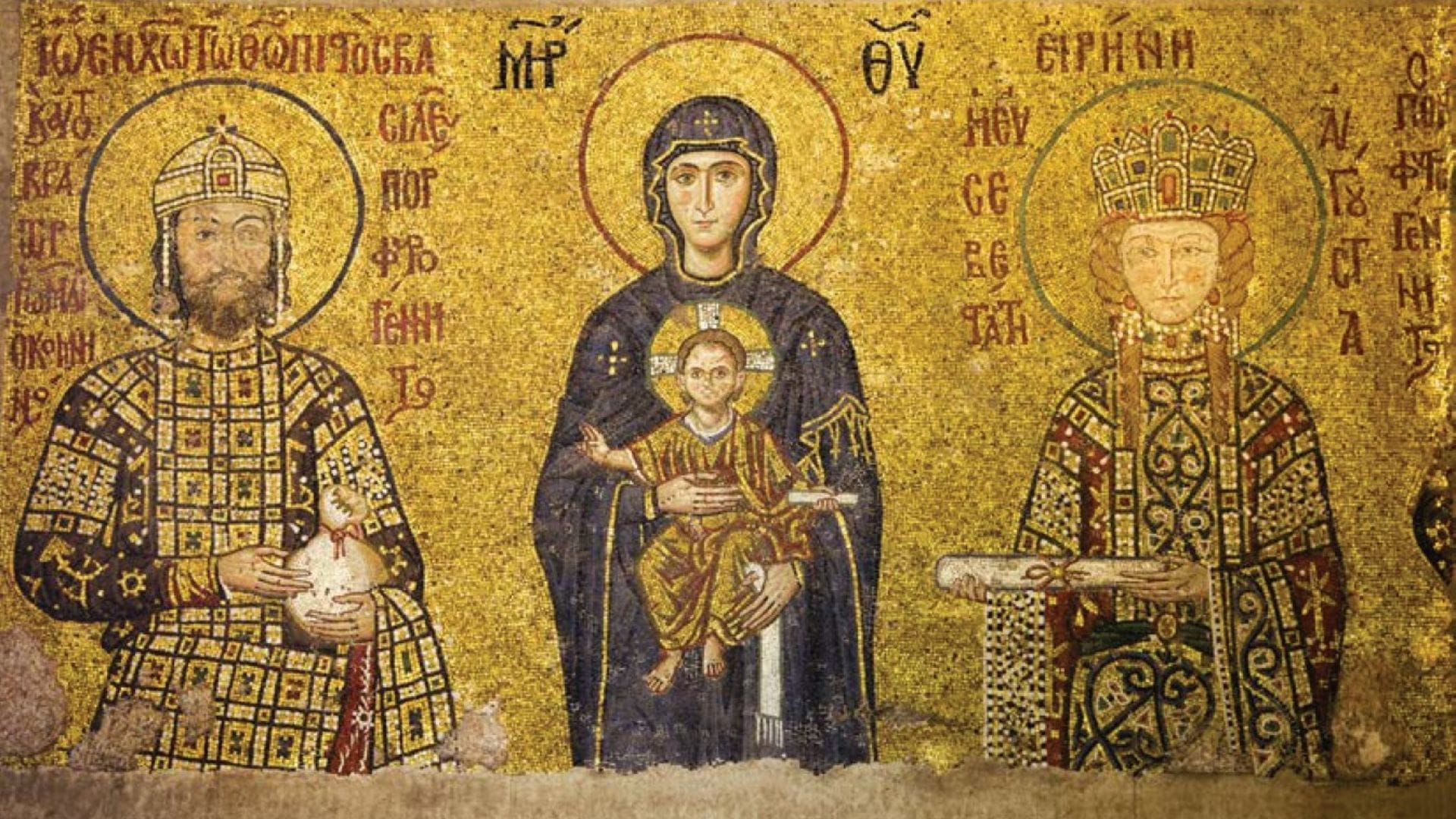
Hagia Sophia is famous for its Byzantine mosaics, many of which date back to different periods of the empire. These mosaics depict religious figures, emperors, and symbolic imagery, offering valuable insight into Byzantine art and theology.
Some mosaics were covered during the Ottoman era but preserved underneath, allowing modern restorations to reveal their original beauty.
Islamic Calligraphy and Ottoman Additions
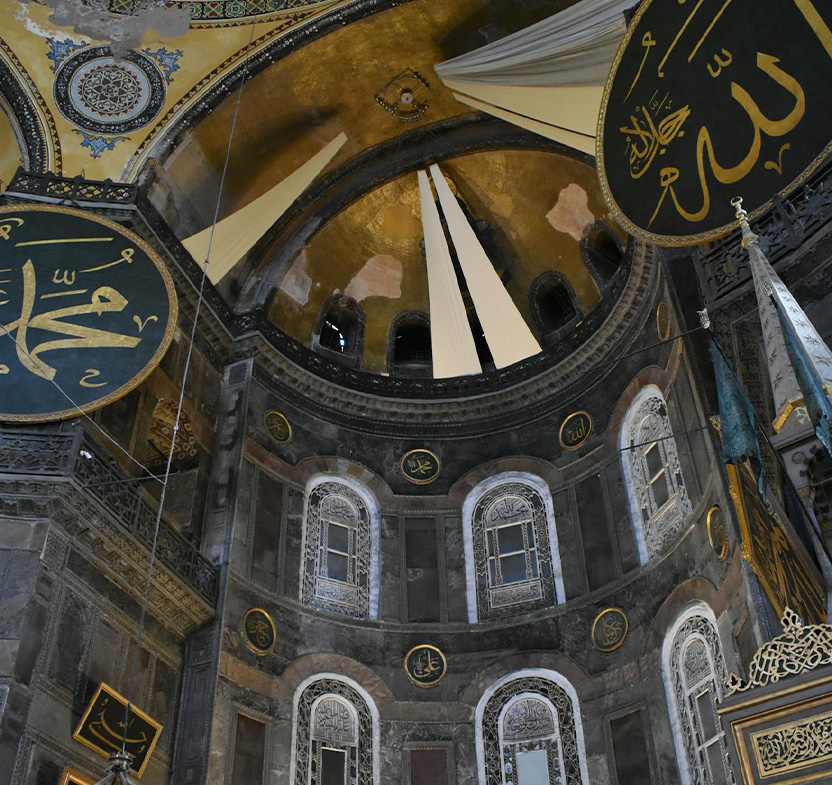
Alongside Christian mosaics, Hagia Sophia also features large calligraphic roundels bearing Islamic inscriptions. These elements were added during the Ottoman period and represent a different artistic tradition.
The coexistence of mosaics and calligraphy within the same structure makes Hagia Sophia unique, illustrating how different cultures and beliefs can share a single architectural space.
Hagia Sophia as a Museum and Cultural Monument
Museum Identity and Global Recognition
When Hagia Sophia was opened as a museum in the 20th century, it became a place dedicated to shared human heritage rather than a single religious function. As a museum, it allowed visitors to explore both its Christian and Islamic elements with historical context.
Its inclusion on UNESCO’s World Heritage List highlights its universal value and the responsibility to preserve it for future generations.
Educational and Cultural Importance
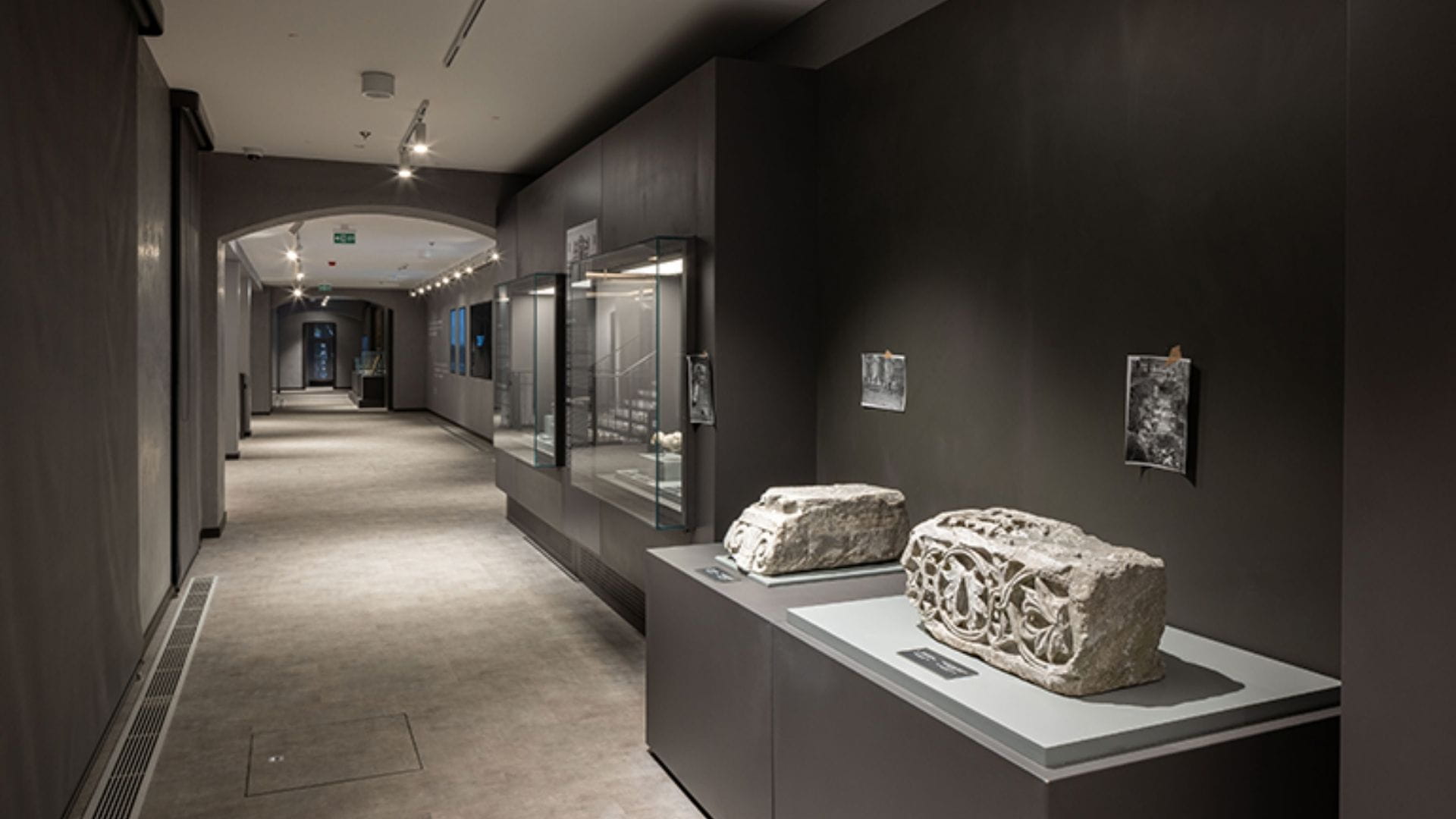
Hagia Sophia serves as an educational space where visitors can learn about Byzantine history, Ottoman architecture, and the evolution of Istanbul. Informational panels, scholarly research, and conservation efforts contribute to a deeper understanding of the site.
The museum experience encourages reflection on history, coexistence, and the passage of time.
Visitor Experience and Cultural Awareness
Understanding the Layers of History
Visiting Hagia Sophia is not a single narrative experience. Each section of the building represents a different historical period. From ancient marble floors to Ottoman-era additions, the structure invites visitors to observe how history accumulates rather than replaces what came before.
This layered experience increases visitor engagement and encourages longer exploration time.
Respectful Observation and Preservation
As a monument of global significance, Hagia Sophia requires respectful visitation. Quiet observation, awareness of cultural sensitivity, and adherence to site rules help protect the building’s integrity.
Preservation efforts focus on maintaining balance between accessibility and conservation, ensuring that the structure remains intact despite heavy visitor traffic.
Why Hagia Sophia Matters Today
A Symbol of Istanbul’s Identity
Hagia Sophia is inseparable from Istanbul’s identity. It represents the city’s role as a crossroads of civilizations, religions, and cultures. Few buildings in the world have served such diverse purposes while maintaining their architectural essence.
For locals and visitors alike, Hagia Sophia is a reminder of the city’s complex and rich past.
A Bridge Between Civilizations
More than a historical monument, Hagia Sophia acts as a bridge between civilizations. Its walls have witnessed empires rise and fall, yet it remains standing as a testament to human creativity and resilience.
This enduring presence makes Hagia Sophia relevant not only as a museum but as a global cultural symbol.
Exploring Hagia Sophia Museum
Hagia Sophia Museum offers far more than visual beauty. It provides an immersive journey through history, architecture, art, and belief systems. Each visit reveals new details, encouraging deeper appreciation and understanding.
As one of the world’s most significant monuments, Hagia Sophia continues to inspire curiosity, respect, and reflection, making it an essential destination for anyone interested in cultural heritage and human history.
Share On :



AcenTAG
AcenTAG provides airport transfer and private day trips in Türkiye. Book reliable, comfortable and seamless travel services across the Turkey.