ENG
ENG
 ENG
ENG
 JPN
JPN
 CHI
CHI

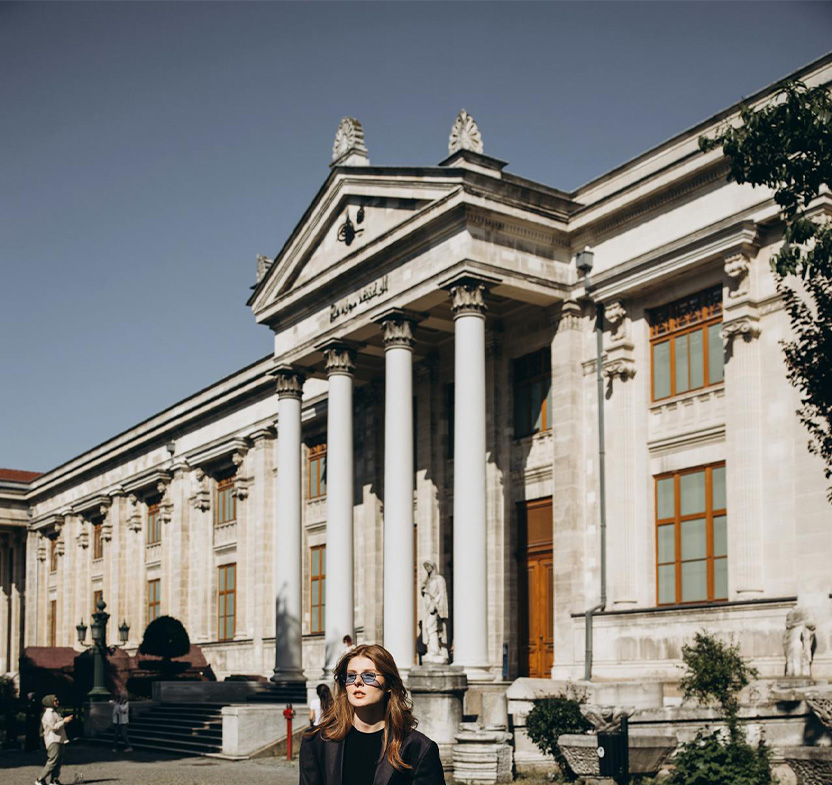
Topkapi Palace Museum
An Overview of Topkapi Palace Museum
One of the Most Important Museums in Turkey
The Topkapi Palace Museum is one of the most significant museums in Turkey and a cornerstone of Istanbul’s historical identity. Located on the historic peninsula, the museum occupies a strategic position overlooking the Bosphorus, the Golden Horn, and the Sea of Marmara. This unique location reflects the political, military, and cultural importance the palace once held.
Topkapi Palace Museum preserves the legacy of the Ottoman Empire, which ruled vast territories for centuries. Today, it stands as a comprehensive museum complex that allows visitors to explore imperial life, governance, art, and tradition within an authentic historical setting.
From Imperial Palace to Public Museum
Originally constructed in the 15th century after the Ottoman conquest of Constantinople, Topkapi Palace served as the main residence and administrative center of the Ottoman sultans. For nearly four hundred years, it functioned as the heart of the empire.
In the early 20th century, following the end of the Ottoman period, the palace was transformed into a museum. This transition opened its gates to the public, allowing visitors to access areas that were once reserved exclusively for the royal court.
Historical Importance of Topkapi Palace Museum
The Administrative Center of an Empire
Topkapi Palace was not only a royal residence but also the administrative center of the Ottoman Empire. Important state meetings, official ceremonies, and diplomatic receptions were held within its walls.
The spatial organization of the palace reflects the hierarchical structure of the empire. Each courtyard and building served a specific purpose, reinforcing authority and order within the state system.
Symbol of Ottoman Power and Tradition
As a symbol of imperial power, Topkapi Palace embodied Ottoman political authority, religious leadership, and cultural refinement. The architecture and collections reflect the empire’s connection to art, faith, and governance.
Today, the museum continues to represent this legacy, offering insight into how the Ottoman state functioned and how its traditions shaped regional history.
Architectural Structure of the Palace
The Courtyard System
Topkapi Palace Museum is organized around a series of courtyards, each representing a transition from public to private space. Visitors move gradually from open administrative areas to more restricted sections of the palace.
This courtyard system was designed to control access, maintain security, and reflect the importance of each area within the palace hierarchy.
Pavilions, Halls, and Living Quarters
Within the palace complex, visitors encounter a variety of pavilions, audience halls, kitchens, and living quarters. Each structure reflects Ottoman architectural principles, combining functionality with decorative elegance.
The use of domes, tile work, calligraphy, and marble demonstrates the artistic sophistication of the period and the empire’s attention to aesthetic detail.
Collections and Exhibitions
The Imperial Treasury
One of the most visited sections of Topkapi Palace Museum is the Imperial Treasury. This collection includes ceremonial objects, jeweled items, swords, and gifts presented to the Ottoman sultans.
These objects offer insight into the wealth, craftsmanship, and diplomatic relationships of the empire, highlighting its influence across different regions.
Sacred Relics Collection
The Sacred Relics section holds items of great religious significance in Islamic history. These artifacts emphasize the Ottoman sultans’ role as caliphs and spiritual leaders.
This collection adds a religious and cultural dimension to the museum, making it an important site not only for history enthusiasts but also for visitors interested in religious heritage.
The Harem Section
The Role of the Harem in Palace Life
The Harem was a private residential area where members of the imperial family lived. Contrary to popular myths, it functioned as a highly structured and regulated space with strict rules and social organization.
The Harem played an important role in education, family life, and internal palace administration, making it a key part of the museum’s narrative.
Artistic and Architectural Details
The Harem section is known for its intricate tile decorations, elegant rooms, and secluded courtyards. These architectural elements reflect both privacy and luxury within the palace.
Visitors gain a clearer understanding of daily life in the palace through these preserved spaces, which highlight the balance between comfort and discipline.
Cultural and Educational Value
A Museum of Art, History, and Tradition
Topkapi Palace Museum is not limited to political history. Its collections include calligraphy, ceramics, textiles, weapons, and manuscripts that showcase Ottoman artistic traditions.
This diversity makes the museum a comprehensive cultural institution, offering multiple perspectives on Ottoman society and craftsmanship.
Preserving Heritage for Future Generations
As a museum, Topkapi Palace plays a vital role in preserving and presenting Ottoman heritage. Conservation efforts ensure that architectural structures and artifacts remain protected for future generations.
Educational displays and curated exhibitions help visitors engage with history in a meaningful and informed way.
Visitor Experience at Topkapi Palace Museum
Understanding the Museum Layout
Due to its size and complexity, understanding the layout of Topkapi Palace Museum enhances the visitor experience. The progression through courtyards and sections follows a logical historical sequence.
This structure allows visitors to grasp the evolution of palace life and imperial governance step by step.
Cultural Awareness and Respectful Visits
Topkapi Palace Museum encourages respectful visitation. Certain areas require quiet observation, and photography rules may vary depending on the section.
These guidelines help protect sensitive artifacts and maintain the museum’s cultural integrity.
Why Topkapi Palace Museum Matters Today
A Key Landmark of Istanbul
Topkapi Palace Museum remains one of Istanbul’s most important landmarks. Its location, history, and collections make it central to understanding the city’s past.
For both local and international visitors, the museum offers a direct connection to centuries of history that shaped modern Turkey.
A Bridge Between Past and Present
The museum serves as a bridge between the Ottoman past and the present day. By preserving authentic spaces and original artifacts, it allows visitors to experience history within its original context.
This authenticity distinguishes Topkapi Palace Museum as a cultural institution of global importance.
Discover the Legacy of Topkapi Palace Museum
An Essential Cultural Experience
Topkapi Palace Museum is an essential destination for anyone interested in history, architecture, and cultural heritage. Its scale and depth provide a comprehensive view of Ottoman civilization.
Exploring the museum offers a deeper appreciation of Istanbul’s role as a historical capital and cultural crossroads.
A Timeless Symbol of Ottoman Heritage
As a timeless symbol of Ottoman heritage, Topkapi Palace Museum continues to educate, inspire, and inform visitors from around the world.
Its preservation ensures that the story of the Ottoman Empire remains accessible and meaningful for generations to come.



AcenTAG
AcenTAG provides airport transfer and private day trips in Türkiye. Book reliable, comfortable and seamless travel services across the Turkey.